
Stress is often considered a mental or emotional concern, but its effects go far beyond that, especially when it comes to skin conditions like urticaria. Many individuals notice that their symptoms suddenly worsen during stressful periods, with increased itching, redness, and swelling appearing without any clear external trigger. This happens because stress directly influences the body’s immune response, making the skin more reactive and sensitive. Over time, unmanaged stress can turn occasional flare-ups into a recurring problem that affects both physical comfort and overall well-being.
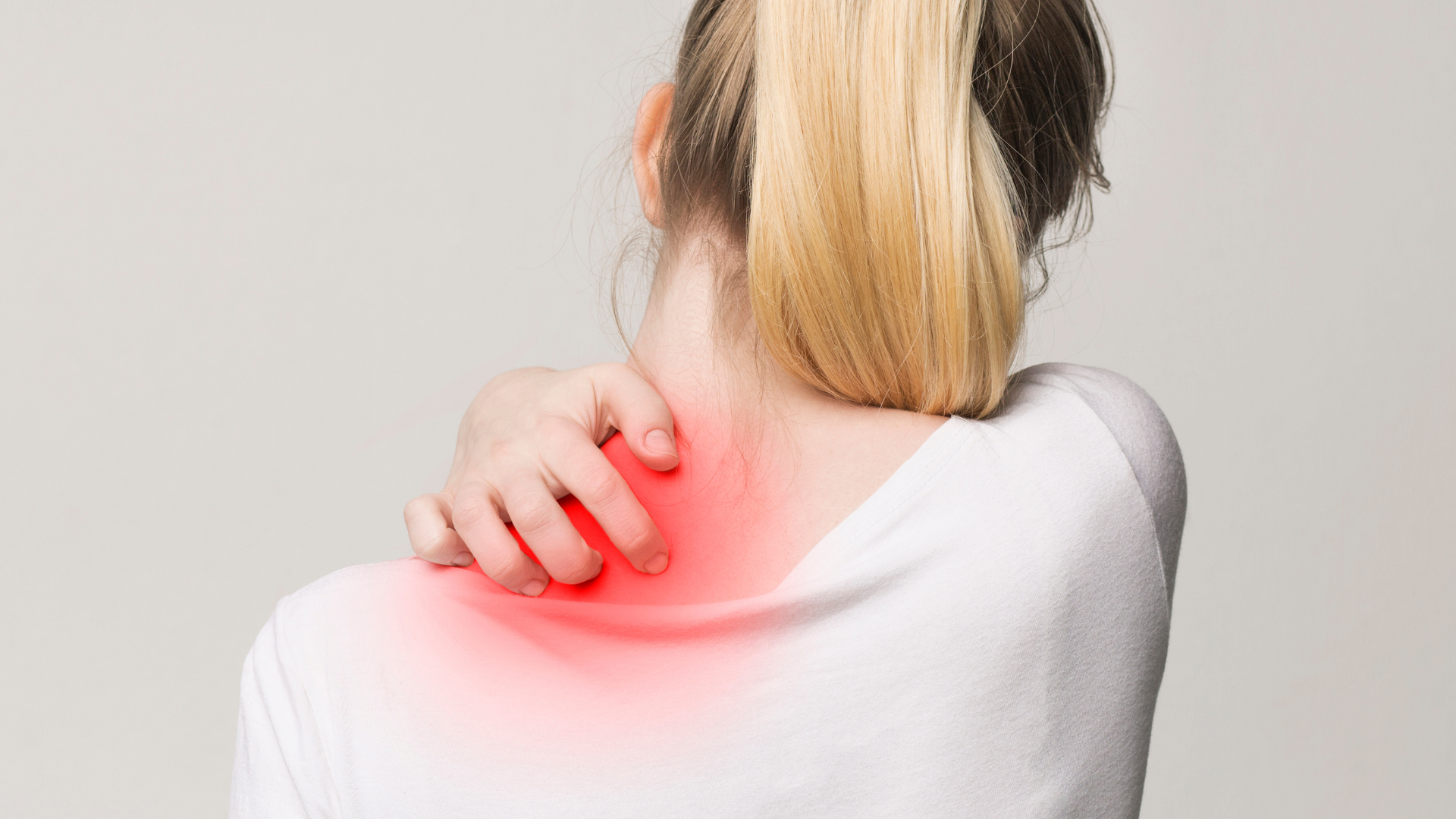
When looking for Urticaria Treatment in Coimbatore, it is important to consider not just medical treatment but also the role of stress management in controlling symptoms effectively. At Touch Aesthetic Clinic, the approach focuses on combining medical care with lifestyle guidance to help individuals manage both the triggers and the visible effects of urticaria in a balanced and sustainable way.
How Stress Triggers Skin Reactions
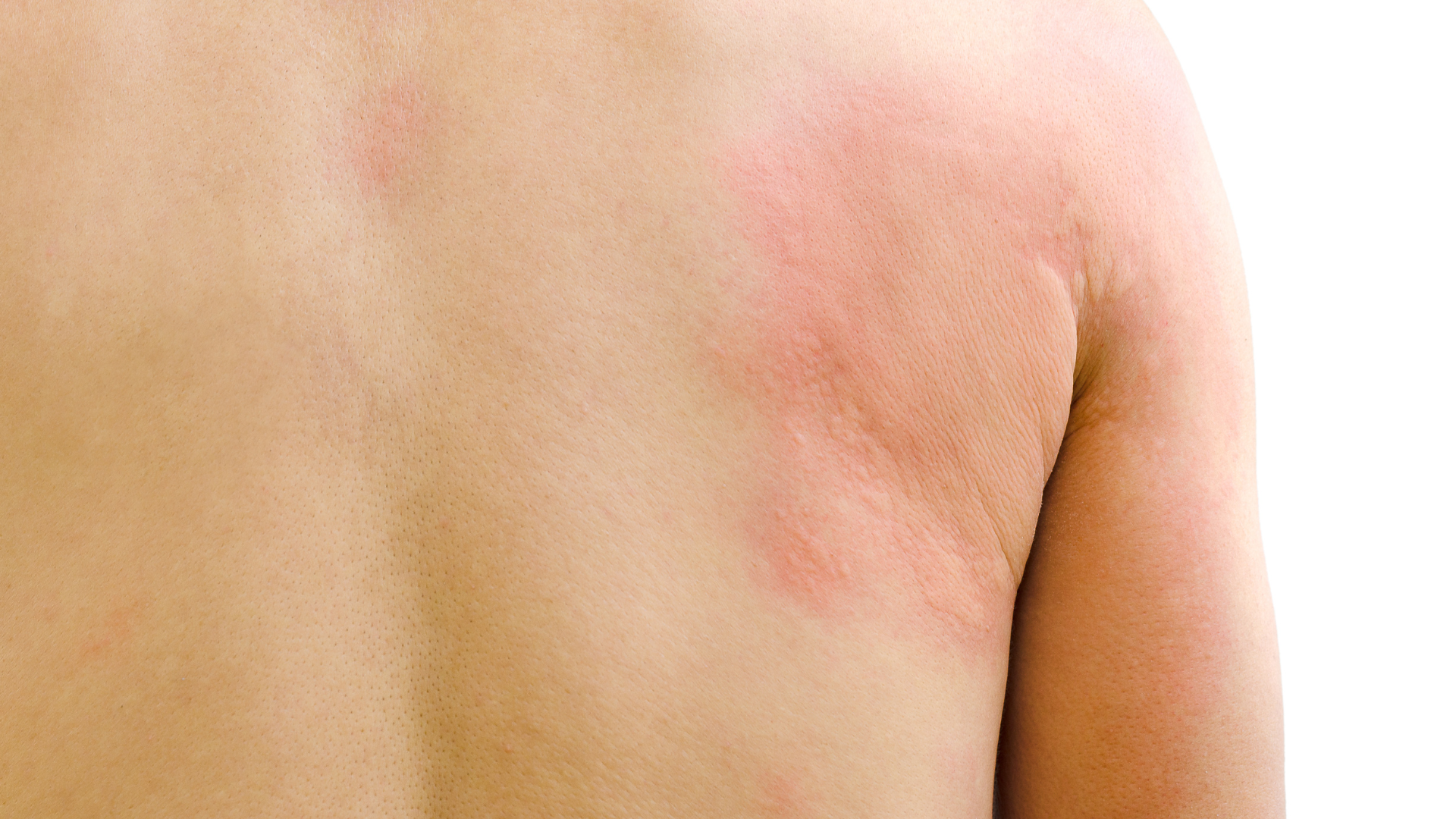
Stress activates the body’s defense system, leading to the release of certain chemicals that can trigger inflammation and allergic reactions in the skin. This response can result in sudden itching, hives, and swelling, even in the absence of physical allergens. For individuals already dealing with urticaria, stress can intensify existing symptoms and increase the frequency of flare-ups. Understanding this connection helps in recognizing why emotional health plays such a significant role in managing skin conditions.
Recognizing Stress-Related Flare-Ups
Identifying whether stress is a trigger can be challenging, but certain patterns can provide useful clues. Flare-ups that occur during periods of emotional pressure, lack of sleep, or major lifestyle changes often indicate a stress-related cause. These reactions may appear suddenly and may not be linked to food or environmental triggers. Keeping track of such patterns can help in better understanding the condition and taking proactive steps to manage it effectively.
Medical Support for Symptom Control
While stress management is important, medical treatment plays a key role in controlling the symptoms of urticaria. Antihistamines and other prescribed medications help reduce itching and inflammation, providing relief during flare-ups. Consistent medical care ensures that the condition remains under control while lifestyle changes work to reduce triggers. At Touch Aesthetic Clinic, treatment plans are designed to address both immediate symptoms and long-term management needs, ensuring a comprehensive approach to care.
A study reported in Times of India revealed that around 15–20% of the general population experiences urticaria at some point, while chronic urticaria affects about 1% of people.
Practical Ways to Reduce Stress Daily
Managing stress does not always require major changes; small daily habits can make a significant difference over time. Simple practices such as maintaining a regular sleep schedule, engaging in light physical activity, and taking short breaks during the day can help reduce stress levels. Activities like meditation, deep breathing, or spending time on hobbies also contribute to emotional balance. By incorporating these habits into daily life, it becomes easier to manage stress and reduce its impact on urticaria symptoms.
The Role of Routine in Preventing Flare-Ups
A stable daily routine helps regulate the body’s response to stress and reduces sudden changes that may trigger urticaria. Consistency in sleep, meals, and physical activity creates a sense of balance, which supports overall health. Avoiding irregular schedules and ensuring proper rest can significantly reduce the likelihood of stress-induced flare-ups. A well-maintained routine acts as a foundation for better symptom control and improved quality of life.
How Sleep Quality Affects Urticaria Symptoms
Sleep plays a crucial role in maintaining overall health, and its impact on urticaria is often underestimated. Poor sleep or irregular sleep patterns can increase stress levels in the body, which in turn can trigger or worsen urticaria symptoms. When the body does not get enough rest, the immune system becomes more reactive, making the skin more sensitive to triggers. We always emphasize the importance of maintaining a consistent sleep schedule, as proper rest helps regulate the body’s response to stress and inflammation. Creating a calm bedtime routine, reducing screen time before sleep, and ensuring a comfortable sleeping environment can significantly improve sleep quality, which ultimately helps in reducing the frequency and intensity of flare-ups.
The Connection Between Diet and Stress-Induced Urticaria
Diet can influence how the body reacts to stress and, in turn, affect urticaria symptoms. Certain foods may not directly cause urticaria but can increase inflammation or sensitivity in the body, making it easier for stress to trigger flare-ups. We encourage maintaining a balanced diet that includes fresh, nutrient-rich foods while minimizing processed items and artificial additives. Staying hydrated is equally important, as it supports overall skin health and helps the body function more efficiently. Observing how the body reacts to different foods can also help identify potential triggers, allowing individuals to make informed dietary choices that support better management of urticaria.
Managing Work-Life Balance to Reduce Flare-Ups
A hectic lifestyle with constant pressure and lack of personal time can significantly contribute to stress, which in turn worsens urticaria symptoms. We always highlight the importance of maintaining a healthy work-life balance to reduce mental and physical strain. Setting boundaries between work and personal life, taking regular breaks, and allocating time for relaxation can help in managing stress effectively. Even small changes, such as short walks or spending time with family, can create a positive impact on emotional well-being. When stress levels are controlled, the body responds better, leading to fewer and less severe urticaria flare-ups.
Importance of Consistency in Stress Management Practices
Stress management is not a one-time effort but a continuous process that requires consistency and commitment. Practicing relaxation techniques occasionally may provide temporary relief, but long-term benefits come from making these practices a regular part of daily life. Activities like meditation, yoga, breathing exercises, or any form of relaxation should be incorporated into a routine to maintain emotional balance. We always encourage individuals to find methods that suit their lifestyle and stick to them consistently, as this helps the body adapt better and reduces the overall impact of stress on urticaria symptoms.
Building Emotional Resilience for Better Skin Health
Emotional resilience plays an important role in how the body handles stress and its effects on the skin. Developing a positive mindset, learning to manage challenges effectively, and staying mentally strong can significantly reduce the impact of stress-induced urticaria. We focus on encouraging individuals to adopt healthy coping mechanisms, such as staying connected with supportive people, engaging in activities that bring joy, and maintaining a balanced perspective during difficult situations. Over time, building emotional resilience not only improves mental well-being but also contributes to better skin health by reducing the frequency of stress-related flare-ups.
Also Read : What Causes Sudden Urticaria and How to Treat It Fast?
Building Long-Term Control Over Urticaria
Managing urticaria requires a combination of medical treatment and consistent lifestyle adjustments. By understanding how stress affects the condition and taking steps to control it, individuals can reduce the frequency and intensity of flare-ups over time. This balanced approach helps in achieving better long-term results.
Finding the Right Support for Effective Care
Choosing the right professional support is essential in managing urticaria effectively. With proper guidance and a personalized treatment plan, it becomes easier to handle both the physical and emotional aspects of the condition. Touch Aesthetic Clinic focuses on providing reliable care and practical solutions, helping individuals achieve better skin health and improved comfort in their daily lives.