
The term “Vampire Facial” instantly sparks curiosity—and sometimes apprehension. The name sounds dramatic, even intimidating, yet the treatment behind it is one of the most natural and scientifically grounded procedures in modern aesthetic dermatology. Known medically as PRP (Platelet-Rich Plasma) therapy, this facial has gained global popularity for its ability to rejuvenate skin using the body’s own healing mechanisms.
But why exactly is PRP called the Vampire Facial? Is it just a marketing term, or is there real meaning behind the name? More importantly, does it actually work?
This article explains the origin of the Vampire Facial, how PRP works, what makes it different from other skin treatments, and why dermatologists increasingly recommend it for long-term skin health rather than quick cosmetic fixes.
What is PRP (Platelet-Rich Plasma) and How Does It Work?
PRP (Platelet-Rich Plasma) is a natural skin rejuvenation treatment derived from your own blood. A small amount of blood is drawn and placed in a centrifuge machine, where it is spun at high speed to separate its components.
This process isolates the platelet-rich plasma, which is packed with growth factors responsible for healing and tissue repair.
These growth factors help in:
- Stimulating collagen production
- Repairing damaged skin tissues
- Improving skin texture and elasticity
- Promoting natural skin regeneration
Since PRP uses your own blood, it is considered a safe and biocompatible treatment in aesthetic dermatology.
Why PRP is Used for Facial Rejuvenation?
PRP is widely used in facial aesthetics because it works with the body’s natural healing system instead of using artificial chemicals or fillers.
When injected or applied to the skin, PRP helps in:
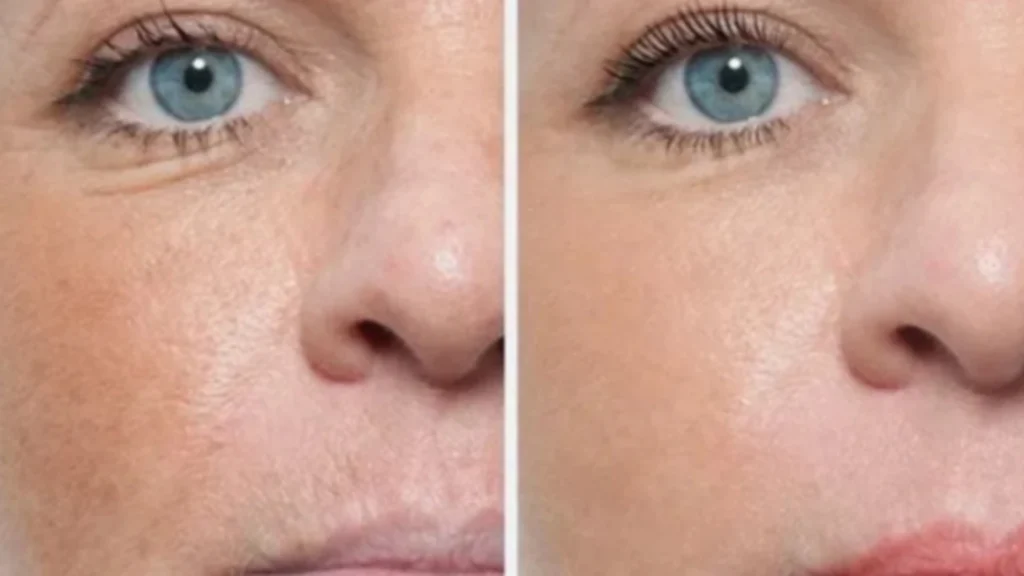
- Reducing acne scars and marks
- Improving skin tone and brightness
- Minimizing fine lines and early wrinkles
- Enhancing overall skin glow
It is often referred to as a “natural anti-aging treatment” because it gradually improves skin quality from within.
Why the Term “Vampire Facial” Became Popular
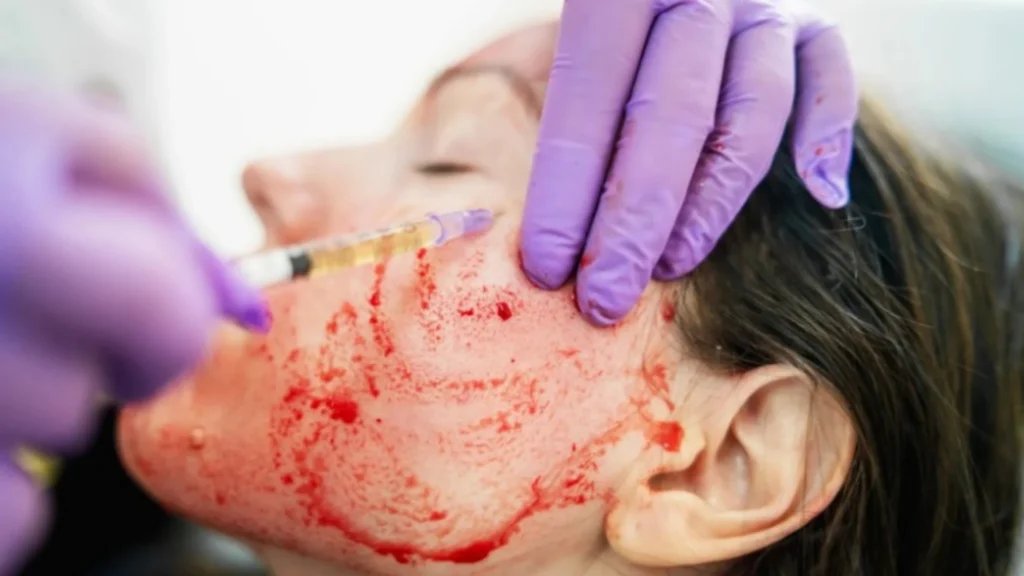
The phrase gained mainstream attention when celebrities began sharing images of themselves undergoing PRP treatments, often with pinpoint bleeding visible on the face during microneedling. While visually striking, these images overshadowed the real story: PRP is a regenerative medical treatment, not a gimmick.
The term stuck because:
-
- It captures attention
-
- It reflects the blood-based nature of the therapy
-
- It differentiates PRP from chemical or synthetic facial treatments
Despite the dramatic name, PRP is among the most biocompatible skin treatments available, since it uses no foreign substances.
How PRP Works at a Cellular Level
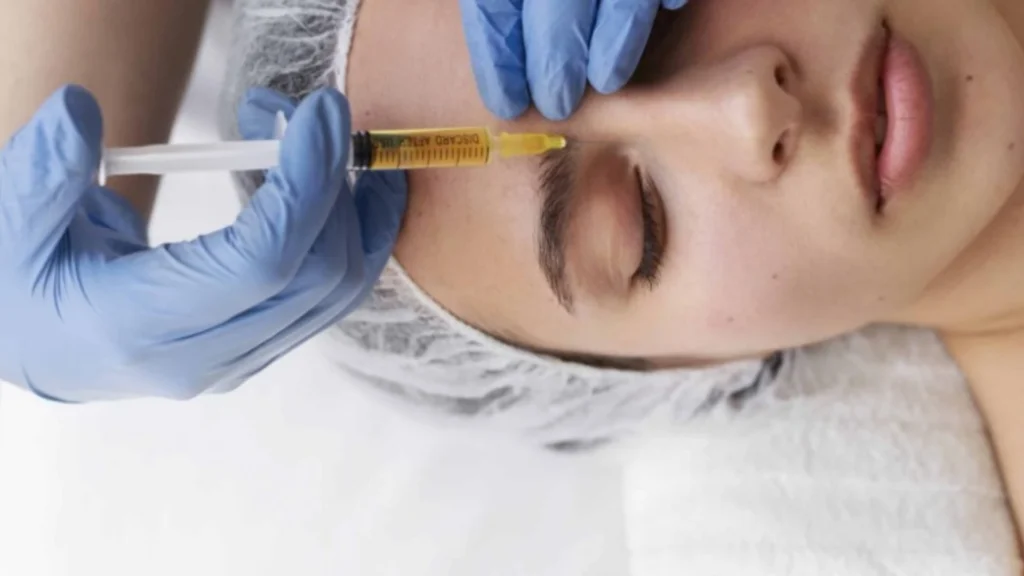
Unlike surface-level facials that cleanse or exfoliate, PRP works from within the skin. The growth factors released by platelets stimulate:
-
- Collagen production
-
- New blood vessel formation
-
- Cell turnover and repair
-
- Improved skin thickness and elasticity
This internal stimulation is why PRP delivers gradual, natural-looking improvement, rather than instant but short-lived results.
Over time, the skin becomes:
-
- Firmer
-
- Brighter
-
- More even-toned
-
- Healthier at a structural level
This regenerative approach is what sets PRP apart from conventional cosmetic treatments.
What Makes PRP Different From Regular Facials?
Traditional facials focus on:
-
- Cleaning pores
-
- Removing dead skin
-
- Temporarily improving glow
PRP, on the other hand:
-
- Repairs damaged skin
-
- Improves skin quality over months
-
- Addresses early ageing at a biological level
-
- Strengthens skin rather than masking issues
This is why PRP is often recommended for individuals who want long-term skin health, not just event-based glow.
Patients seeking the best PRP treatment for face in Coimbatore often choose PRP specifically because it aligns with a more medical, results-driven approach to skincare.
Skin Concerns PRP Can Improve
PRP is not limited to anti-ageing alone. Its regenerative properties make it useful for multiple concerns:
-
- Fine lines and early wrinkles
-
- Dull, tired-looking skin
-
- Uneven skin tone
-
- Acne scars and post-acne marks
-
- Enlarged pores
-
- Under-eye darkness (in selected cases)
Because PRP improves skin quality rather than altering facial structure, results remain subtle and natural.
Is the Vampire Facial Safe?
Safety is one of PRP’s strongest advantages. Since the treatment uses the patient’s own blood:
-
- There is no risk of allergic reaction
-
- There is minimal chance of rejection
-
- The procedure is well tolerated by most skin types
However, safety also depends heavily on:
-
- Proper blood handling protocols
-
- Medical-grade equipment
-
- Clinical expertise
This is why PRP should always be performed at a qualified dermatology clinic like Touch Aesthetic Clinic, a trusted skin care clinic in Coimbatore that follows strict medical standards.
Read Also: Can HydraFacial Replace Your Monthly Facials?
Step-by-Step PRP Vampire Facial Procedure
The PRP Vampire Facial is performed in a structured clinical process:
1. Consultation and Skin Analysis
The dermatologist evaluates your skin condition and discusses your concerns such as acne scars, pigmentation, or aging.
2. Blood Collection
A small amount of blood is drawn from your arm, similar to a routine blood test.
3. Centrifuge Process
The blood sample is placed in a centrifuge machine to separate platelet-rich plasma from other components.
4. Skin Preparation
The face is cleansed thoroughly, and a numbing cream is applied to minimize discomfort.
5. Microneedling Treatment
A microneedling device is used to create controlled micro-injuries on the skin surface.
6. PRP Application
Fresh PRP is applied to the skin, allowing it to penetrate through micro-channels for deeper absorption.
7. Post-Treatment Care
A soothing serum or mask may be applied, and aftercare instructions are provided for best results.
Why Results Are Not Instant—and Why That’s a Good Thing
Unlike injectables or fillers that deliver immediate changes, PRP works gradually. Most patients notice:
-
- Improved skin texture within a few weeks
-
- Better tone and firmness over 2–3 months
-
- Continued improvement with repeat sessions
This delayed response occurs because PRP stimulates your skin to heal itself. The improvements you see are your own collagen and tissue renewal, not an artificial enhancement.
This makes PRP ideal for patients who prefer natural ageing well, rather than altering facial features.
How Many Sessions Are Typically Needed?
PRP is usually done as a series rather than a one-time procedure. Most dermatologists recommend:
-
- 3 sessions spaced 4–6 weeks apart for optimal results
-
- Maintenance sessions once or twice a year, depending on skin condition
A personalized treatment plan ensures better outcomes and avoids overtreatment.
Why PRP Is Often Combined With Microneedling
Microneedling creates controlled micro-injuries in the skin, which:
-
- Enhances PRP absorption
-
- Activates additional collagen production
-
- Improves scar remodeling
When combined, these treatments amplify each other’s effects. This combination approach is commonly used at Touch Aesthetic Clinic for patients seeking advanced skin rejuvenation solutions.
Who Is an Ideal Candidate for PRP?
PRP is suitable for:
-
- Men and women in their late 20s to 50s
-
- Individuals with early signs of ageing
-
- Patients with acne scars or uneven texture
-
- Those seeking non-surgical skin rejuvenation
However, PRP may not be suitable for individuals with certain blood disorders or active infections. A proper consultation is essential before starting treatment.
Why Clinic Expertise Matters in PRP
PRP is not just about injecting plasma—it is about:
-
- Correct platelet concentration
-
- Accurate depth of application
-
- Understanding skin anatomy
-
- Customizing treatment for each face
At Touch Aesthetic Clinic, PRP treatments are designed after detailed skin analysis to ensure patients receive safe, evidence-based care. This clinical precision is what patients look for when choosing the Best PRP Treatment for Face in Coimbatore.
The Vampire Facial may have a dramatic name, but its foundation lies firmly in regenerative medicine. PRP does not change who you are—it helps your skin function better, heal faster, and age more gracefully.
Rather than offering a temporary glow, PRP focuses on skin health from the inside out. When performed correctly, it delivers results that are subtle, natural, and long-lasting.
If you are considering PRP, understanding the science behind the name is the first step toward making an informed decision. Because behind the mystery of the Vampire Facial lies one of dermatology’s most biologically intelligent treatments.
Book your PRP Vampire Facial consultation today and experience naturally radiant, youthful skin with expert care at our clinic.