
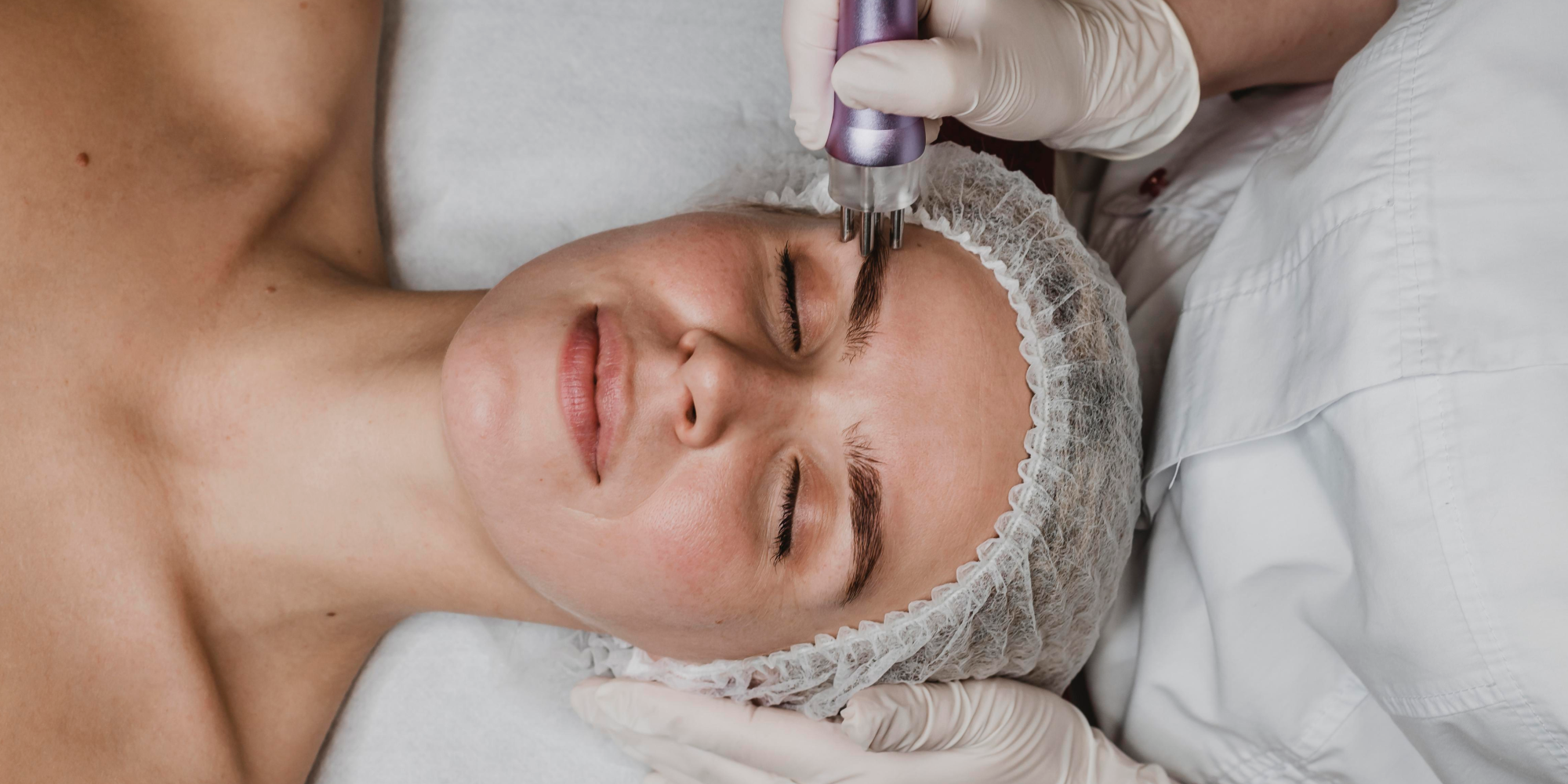
In today’s world, where flawless and radiant skin is often associated with confidence and beauty, the demand for skin whitening treatments has seen remarkable growth. People seek solutions to address uneven skin tone, hyperpigmentation, and dullness, aiming for a brighter and healthier complexion. Thanks to advancements in dermatology and aesthetic science, several effective options are now available to achieve a more luminous skin tone. Clinics like Touch Aesthetic have been at the forefront of offering these innovative treatments tailored to different skin concerns.
This blog explores the top skin whitening options you need to know about, their benefits, how they work, and which might be right for you.
What Causes Skin Darkening or Uneven Skin Tone?
Skin darkening or uneven skin tone is not always related to skin color. It is usually caused by excess melanin production triggered by external or internal factors.
Common Causes:
☀️ Sun exposure (UV damage): The most common cause of tanning and pigmentation
🧬 Hormonal changes: Especially melasma in women during pregnancy or PCOS
🧴 Post-acne marks: Acne inflammation leaving dark spots (PIH)
🌫️ Pollution & environmental stress: Damages skin barrier and accelerates dullness
🍔 Lifestyle factors: Poor sleep, smoking, stress, and unhealthy diet
Who Should Consider Skin Whitening or Brightening Treatments?
Skin whitening or brightening treatments are not just for changing skin color—they are mainly recommended for improving skin clarity, tone, and texture.
Ideal candidates include:
- People with stubborn pigmentation or melasma
- Individuals with acne scars and post-inflammatory marks
- Those experiencing dull or tired-looking skin
- Uneven skin tone due to sun damage
- People preparing for events (weddings, photoshoots, etc.)
Understanding Skin Whitening Treatments
Before diving into the available options, it’s essential to understand what skin whitening actually means. Contrary to popular belief, skin whitening doesn’t always imply changing your natural skin color. Instead, it typically refers to treatments that:
- Reduce hyperpigmentation and dark spots
- Even out skin tone
- Address melasma and sun damage
- Brighten dull-looking skin
- Restore a youthful radiance
With these goals in mind, let’s look at the most effective skin whitening options available today.
Safe Skin Whitening vs. Harsh Bleaching: What You Need to Know
Not all skin brightening methods are created equal. While safe skin whitening treatments focus on improving overall skin health, harsh bleaching products often deliver only temporary results with potential long-term damage. Safe approaches—such as dermatologist-supervised chemical peels, laser toning, and medical-grade skincare—work by reducing excess pigmentation, enhancing skin renewal, and restoring a natural glow. These treatments are customized based on your skin type, ensuring effective and controlled results.
In contrast, harsh bleaching products typically rely on strong chemicals that strip the skin’s surface or artificially lighten it, without addressing the root cause of pigmentation. Over time, this can lead to increased sensitivity, uneven skin tone, irritation, and even rebound pigmentation, making the skin more vulnerable than before.
At Touch Aesthetic Clinic, the focus is always on safe, medically guided skin treatments that prioritize long-term skin health over quick fixes. Choosing the right approach for skin pigmentation treatment in Coimbatore ensures that your skin not only looks brighter but also stays healthy, balanced, and naturally radiant.
1. Topical Creams and Serums
One of the most common and accessible skin whitening solutions is the use of topical creams and serums. These products often contain active ingredients such as:
- Hydroquinone: A powerful skin-lightening agent that reduces melanin production.
- Kojic Acid: Derived from fungi, effective for reducing pigmentation.
- Vitamin C: An antioxidant that brightens the skin while protecting against free radicals.
- Niacinamide: Known for reducing discoloration and improving overall skin texture.
These creams work gradually and are often recommended for mild pigmentation issues. While results may take time, they are a good starting point for individuals seeking non-invasive solutions.
2. Chemical Peels
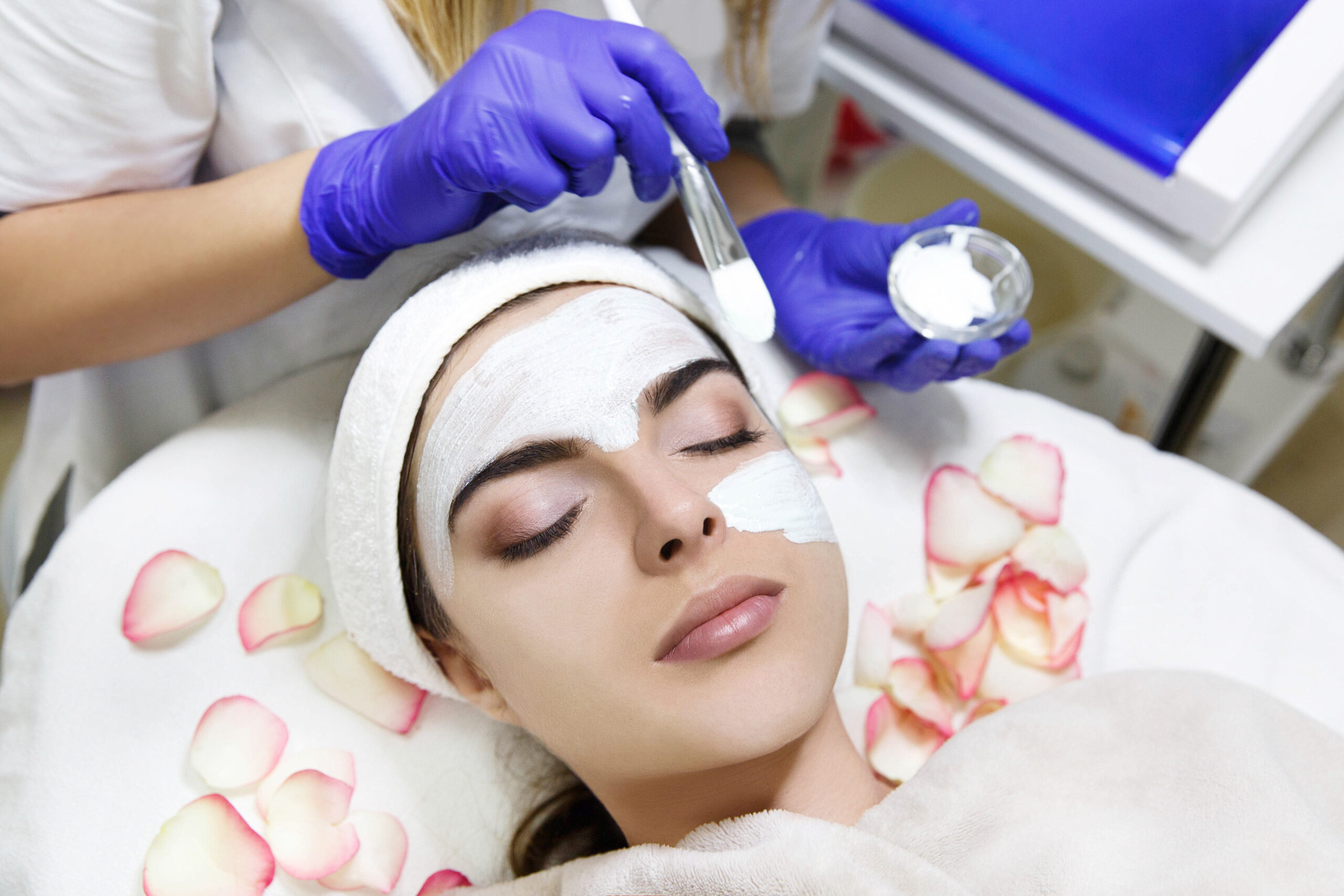
Chemical peels are dermatological procedures where a chemical solution is applied to the skin, causing it to exfoliate and eventually peel off. This process removes the damaged outer layer of skin, revealing smoother and lighter skin underneath.
Types of Peels for Skin Whitening:
- Glycolic Acid Peels: Great for improving texture and mild pigmentation.
- Salicylic Acid Peels: Useful for acne-prone skin with dark marks.
- TCA (Trichloroacetic Acid) Peels: More intensive, targeting deeper pigmentation issues.
Chemical peels are often done in a series of sessions and are highly effective in achieving visible results. However, they should only be performed by trained professionals to minimize risks such as burns or scarring.
3. Laser Treatments
Laser treatments are among the most advanced methods for skin whitening. They target melanin deposits in the skin using concentrated light energy, breaking them down and promoting new skin regeneration. If you’re seeking professional-grade results, opting for a Skin Lightening Treatment in Coimbatore that uses laser technology can be a highly effective choice.
Popular Laser Whitening Options:
- Q-Switched Nd:YAG Laser: Effective for pigmentation, freckles, and sunspots.
- Fractional CO2 Laser: Rejuvenates skin and reduces deeper pigmentation.
- IPL (Intense Pulsed Light): Not technically a laser, but uses light energy to target pigmentation.
Laser treatments are known for delivering quick and noticeable results, often with minimal downtime. They also stimulate collagen production, improving overall skin health along with whitening.
4. Glutathione Therapy
Glutathione, a natural antioxidant, has gained immense popularity for its skin-whitening effects. It works by reducing melanin production and detoxifying the body.
Methods of Administration:
- Oral Supplements: Easy to consume but may take longer for results.
- IV Injections: Faster absorption, offering quicker visible changes in skin tone.
Glutathione therapy is widely sought after because it not only lightens the skin but also improves immunity and overall wellness. However, it is essential to undergo this treatment under medical supervision to ensure safety and effectiveness.
5. Microdermabrasion
Microdermabrasion is a non-invasive cosmetic procedure that exfoliates the skin using tiny crystals or a diamond-tipped wand. By removing the outermost layer of dead skin, it helps improve dullness, uneven texture, and mild pigmentation.
While the results may not be as dramatic as lasers or chemical peels, regular sessions can gradually lead to brighter, fresher-looking skin. It is a suitable option for those who prefer minimal downtime and a gentler approach.
6. Cryotherapy
Cryotherapy, also known as “cold therapy,” involves exposing the skin to extremely cold temperatures. This technique can reduce dark spots, even out skin tone, and stimulate collagen production. Some clinics use liquid nitrogen for localized treatment of pigmentation.
Though still relatively new in skin whitening, cryotherapy has shown promising results and is gaining popularity in the aesthetic field.
7. Natural Remedies
For those who prefer natural approaches, several home remedies can help maintain a brighter complexion:
- Lemon Juice: Contains citric acid, which helps lighten dark spots.
- Aloe Vera: Soothes and brightens skin naturally.
- Turmeric: Known for its anti-inflammatory and brightening properties.
- Yogurt and Honey Masks: Provide mild exfoliation and hydration.
While natural remedies may not deliver dramatic whitening, they can complement professional treatments and promote healthy skin over time.
Choosing the Right Treatment for You
With so many options available, how do you choose the right one? Here are some factors to consider:
- Skin Concerns: If you have mild pigmentation, topical creams or peels may suffice. For deeper pigmentation, lasers or glutathione might be more suitable.
- Skin Type: Sensitive skin may not tolerate harsh peels or strong lasers. A dermatologist can guide you to the safest option.
- Budget: Treatments vary significantly in cost, from affordable creams to more expensive laser sessions.
- Downtime: If you prefer minimal downtime, microdermabrasion or mild peels might be the way to go.
- Desired Results: Some treatments provide gradual improvements, while others deliver faster results.
Consulting a dermatologist or visiting a professional clinic like Touch Aesthetic Clinic is essential to customize the treatment plan according to your unique skin needs. A reliable clinic ensures you receive the safest methods while achieving optimal results.
Safety Considerations
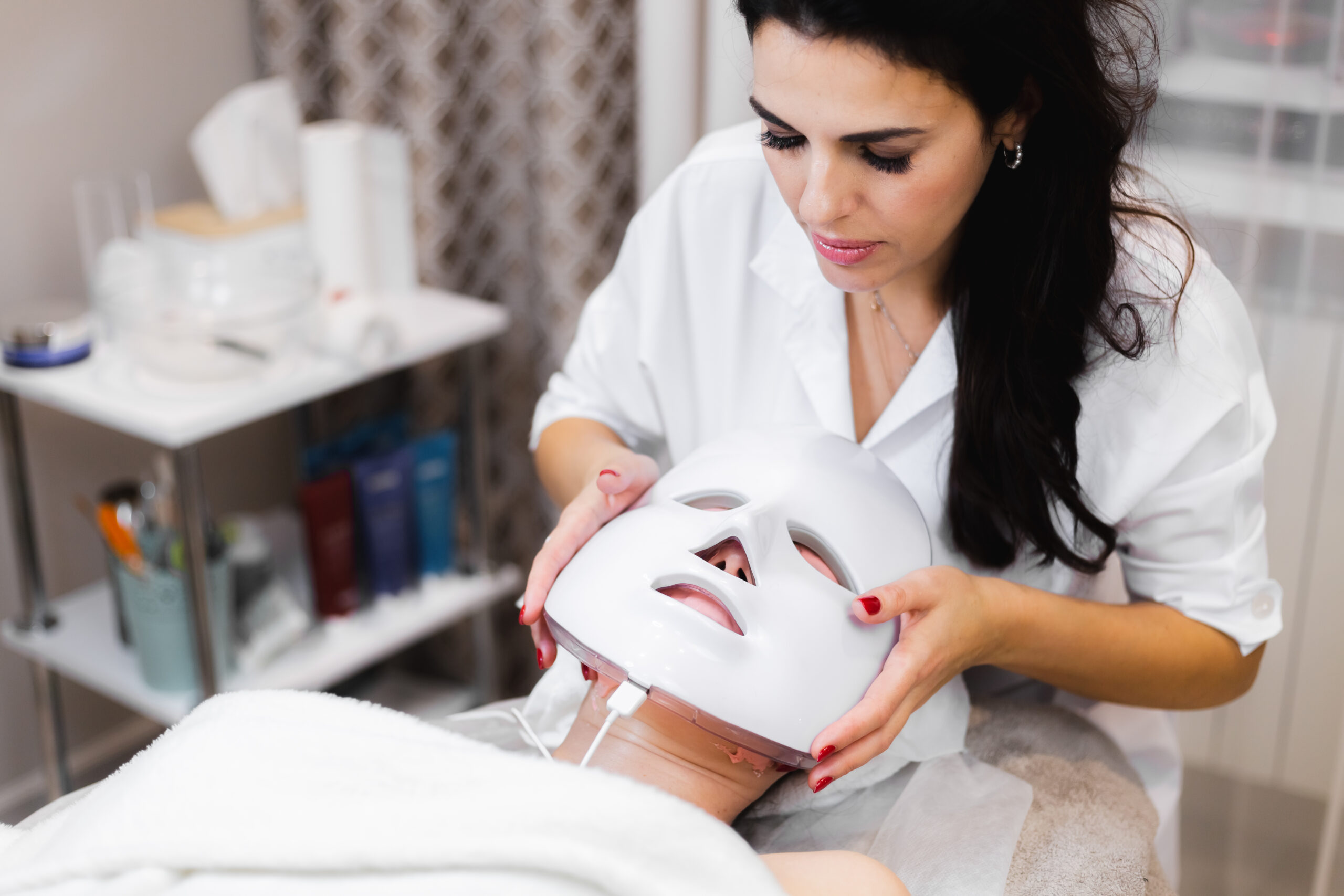
While skin whitening treatments can deliver visible improvements, safety should always be the top priority. Not all methods are suitable for everyone, and choosing the wrong option or undergoing unregulated procedures can lead to serious skin damage. Common risks include irritation, burns, scarring, infections, or long-term sensitivity if treatments are not administered correctly.
The first step is to consult a qualified dermatologist or aesthetic specialist before starting any treatment. A professional can assess your skin type, medical history, and concerns to recommend the safest and most effective option. Avoid over-the-counter bleaching creams with high concentrations of hydroquinone, mercury, or steroids, as these can cause irreversible harm when used unsupervised.
Post-treatment care is equally important. Protecting your skin from direct sun exposure, using a high-SPF sunscreen, and following the aftercare instructions given by your doctor will help maintain results while preventing damage. It’s also crucial to space out professional treatments like chemical peels or lasers, giving your skin time to heal.
Ultimately, safety comes down to making informed decisions and choosing licensed, reputable clinics. Prioritizing expert guidance ensures you achieve brighter, healthier-looking skin without compromising its long-term health.
Final Thoughts
The journey to brighter, healthier-looking skin doesn’t have to be overwhelming. From topical creams and peels to advanced lasers and glutathione therapy, there are multiple skin whitening options available to suit different skin types, concerns, and budgets. What matters most is choosing a safe, effective, and personalized approach. Trusted clinics like Touch Aesthetic ensure treatments are tailored to individual needs, helping clients achieve glowing, even-toned skin with confidence.
By understanding the science behind each option and consulting professionals, you can make informed choices that enhance not just your appearance but also your self-esteem. Skin whitening, when approached safely, can be a transformative journey toward healthier, more radiant skin.
Don’t settle for temporary results or risky treatments. Experience safe, dermatologist-guided skin whitening at Touch Aesthetic Clinic.
👉 Schedule your consultation now and discover the best treatment for your skin.