
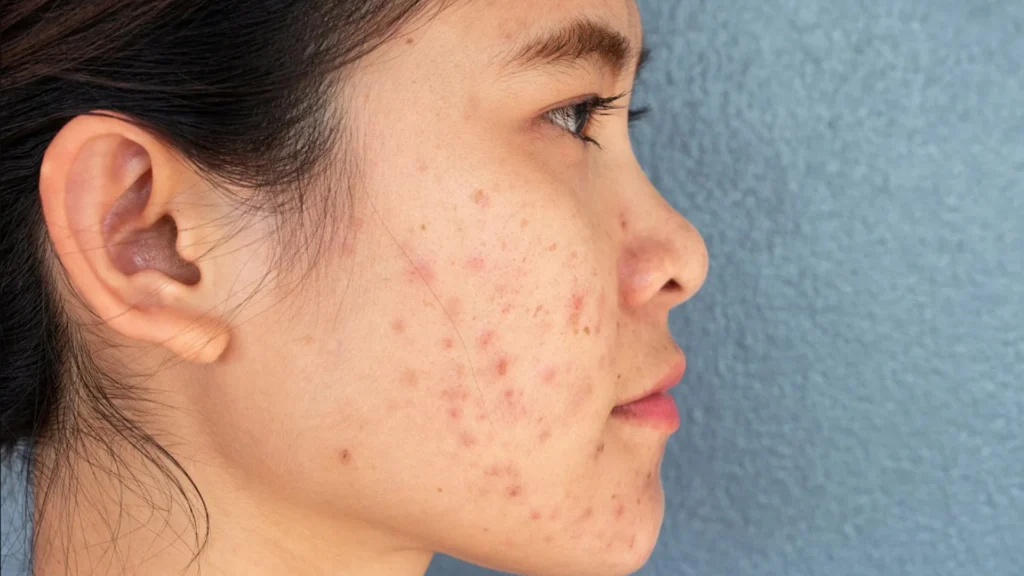
Acne is often spoken about as a lifelong condition—something that can only be “managed” or “kept under control.” Many people are told they must live with periodic breakouts, flare-ups during stress, or recurring pimples that return the moment treatment stops. This belief has caused frustration, low self-esteem, and years of trial-and-error skincare routines. The scale of the problem is significant—according to a 2025 dermatology update, acne affects over 20% of the global population aged over 16, with the highest prevalence among individuals aged 16–24, where nearly 28.3% experience acne.
But an important question deserves attention: Can acne actually be cured, not just controlled?
The answer is more nuanced than a simple yes or no. Modern dermatology suggests that while acne is a chronic condition for some, long-term remission and near-complete clearance are absolutely achievable—when the root causes are properly identified and treated.This article explores the science behind acne, why it recurs, and how advanced dermatological care is changing outcomes for patients seeking effective acne and pimples treatment in Coimbatore.
Acne is not merely a cosmetic issue. It is a chronic inflammatory condition of the pilosebaceous unit, involving hair follicles and oil glands. It typically develops due to a combination of four key factors:
Understanding Acne: More than just Pimples
Excess sebum (oil) production
Clogging of pores by dead skin cells
Growth of acne-causing bacteria (Cutibacterium acnes)
Inflammation within the skin
When these factors persist, acne becomes recurrent. This is why over-the-counter creams, face washes, or home remedies often provide temporary relief but fail to deliver lasting results.
Why Acne Keeps Coming Back
One of the biggest reasons acne is perceived as “incurable” is that treatment often targets symptoms, not causes. Pimples disappear temporarily, but the underlying triggers remain active.
Common reasons for recurring acne include:
-
- Hormonal imbalances, especially in adults and women
-
- Genetic predisposition
-
- Insulin resistance and dietary triggers
-
- Stress-induced hormonal changes
-
- Incorrect skincare or overuse of harsh products
-
- Incomplete or inconsistent treatment
Unless these contributing factors are addressed through a structured, medical approach, acne tends to relapse.
Control vs Cure: What’s the Difference?
Acne Control
Acne control focuses on:
-
- Reducing active breakouts
-
- Managing oiliness
-
- Preventing severe flare-ups
This approach often involves topical creams or intermittent treatments. While useful, it usually requires continuous maintenance.
Acne Cure (Long-Term Remission)
A functional “cure” in dermatology means:
-
- Prolonged absence of active acne
-
- Normalized oil production
-
- Minimal need for ongoing medication
-
- Prevention of new scars and pigmentation
With current dermatological advancements, many patients achieve long-term remission, especially when treatment is personalized and supervised by a qualified skin specialist.
Is Acne Curable for Everyone?
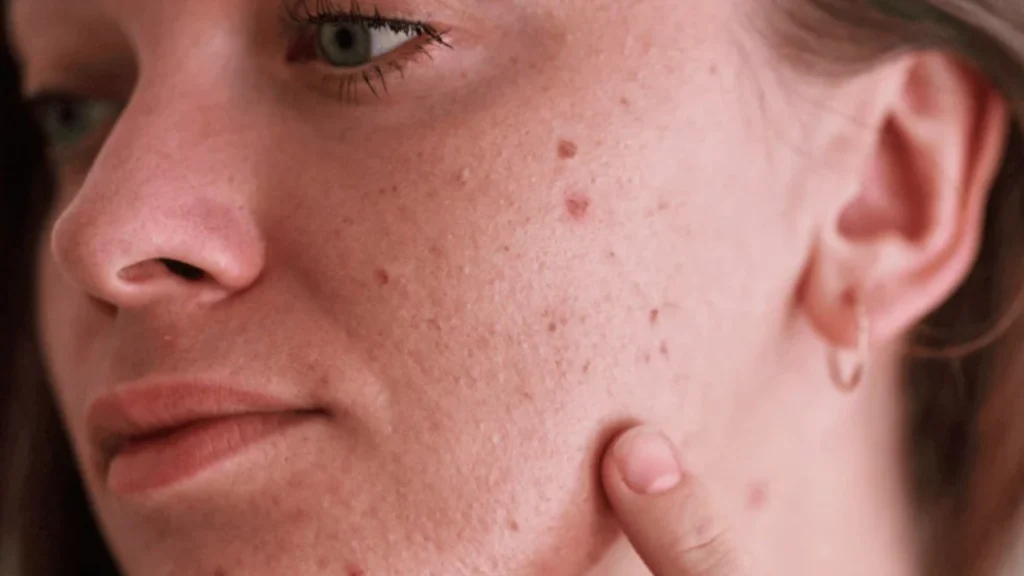
Acne behaves differently from person to person. Outcomes depend on factors such as:
-
- Age of onset
-
- Severity and type of acne
-
- Hormonal profile
-
- Lifestyle and diet
-
- Adherence to treatment
Teen Acne
Often linked to puberty-related hormonal surges. In many cases, acne resolves naturally when hormones stabilize, especially with early intervention.
Adult Acne
Requires deeper evaluation, as it is commonly driven by hormonal imbalances, stress, or metabolic factors. With correct diagnosis, adult acne can be treated effectively and kept in long-term remission.
The Role of Professional Dermatological Care
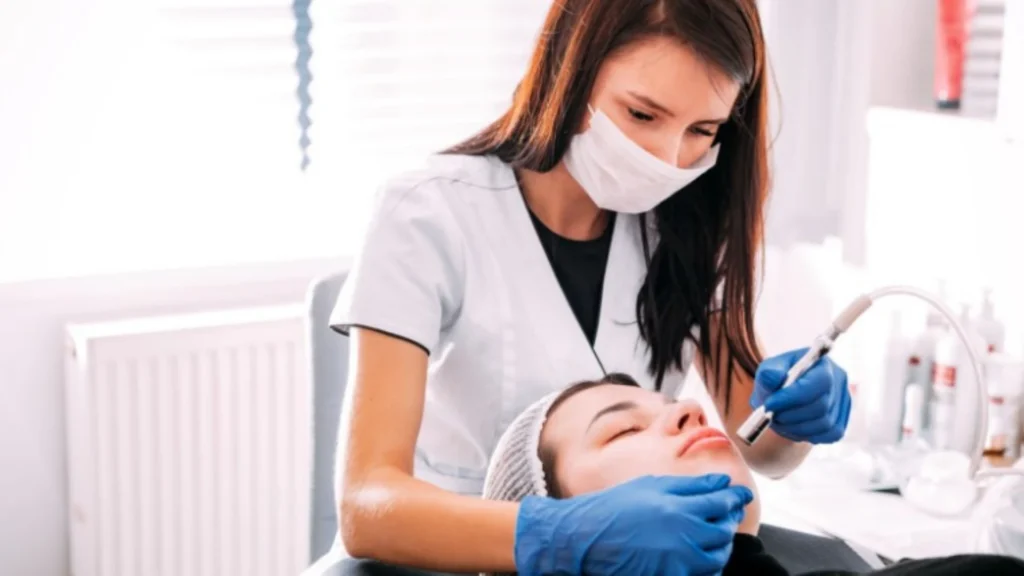
Self-treatment rarely delivers lasting results for moderate to severe acne. This is where medical-grade dermatology plays a critical role.
At Touch Aesthetic Clinic, a leading skin care clinic in Coimbatore, acne is approached as a medical condition—not just a surface problem. Treatment protocols are designed after evaluating:
-
- Skin type and sensitivity
-
- Acne grade and pattern
-
- Hormonal indicators
-
- Scarring and pigmentation risk
-
- Patient lifestyle and triggers
This personalized approach significantly improves outcomes for patients seeking reliable acne and pimples treatment in Coimbatore.
Advanced Treatments That Move Beyond Control
Modern dermatology offers several solutions that address acne at its root:
1. Medical Therapies
Prescription medications help regulate oil production, reduce inflammation, and control bacterial growth. When used correctly and under supervision, they can induce long-term remission.
2. Chemical Peels
Medical-grade peels unclog pores, reduce acne-causing bacteria, and improve skin texture. They also help manage post-acne pigmentation.
3. Laser and Light-Based Treatments
These therapies target oil glands and acne bacteria while improving skin healing and reducing scars.
4. Hormonal Evaluation and Management
For patients with persistent or adult acne, hormonal assessment is crucial. Correcting internal imbalances often leads to dramatic improvement.
At Touch Aesthetic Clinic, treatments are carefully combined and phased to ensure safety, effectiveness, and sustainability.
Read Also: Looking for Instant Glow? Why Is HydraFacial Trending?
Preventing Acne Scars: An Often Overlooked Aspect
One of the biggest regrets among acne patients is not treating acne aggressively enough in its early stages. Untreated or poorly managed acne leads to permanent scarring, which is far more difficult to treat than acne itself.
Early intervention with the right dermatological plan:
-
- Reduces inflammation
-
- Prevents deep cyst formation
-
- Protects skin structure
-
- Minimizes pigmentation and scars
This preventive mindset is central to advanced acne care at Touch Aesthetic Clinic.
Lifestyle and Acne: Supporting the Cure
While medical treatment forms the foundation, lifestyle modifications play a supportive role:
-
- Balanced diet with low glycaemic load
-
- Proper sleep and stress management
-
- Non-comedogenic skincare products
-
- Avoiding unnecessary product layering
-
- Regular follow-ups with a dermatologist
When lifestyle factors align with medical treatment, the chances of long-term acne clearance improve significantly.
So, Can Acne Be Cured?
The most accurate answer is this:
Acne can be placed into long-term remission for most patients, and in many cases, it may never return in a clinically significant way.
The outdated belief that acne must be “lived with forever” no longer holds true. With early diagnosis, personalized treatment, and professional dermatological care, patients can move beyond temporary control toward lasting skin health.
Choosing the Right Clinic Matters
Not all acne treatments are the same. The expertise of the clinic, quality of diagnosis, and structured follow-up determine success.
Touch Aesthetic Clinic, a trusted skin care clinic in Coimbatore, focuses on evidence-based dermatology, patient education, and individualized care plans. For those actively searching for effective acne and pimples treatment in Coimbatore, professional guidance can make the difference between recurring breakouts and long-term confidence.
Acne is not a personal failure, and it is not untreatable. The real shift happens when treatment moves from guesswork to science, from control to correction.
If you have been managing acne for years without lasting results, it may be time to ask a better question—not “How do I hide acne?” but “How do I treat it properly?”
Because today, acne doesn’t just have to be controlled—it can be effectively treated for the long term.