
How Hormonal Changes Affect Acne Breakouts
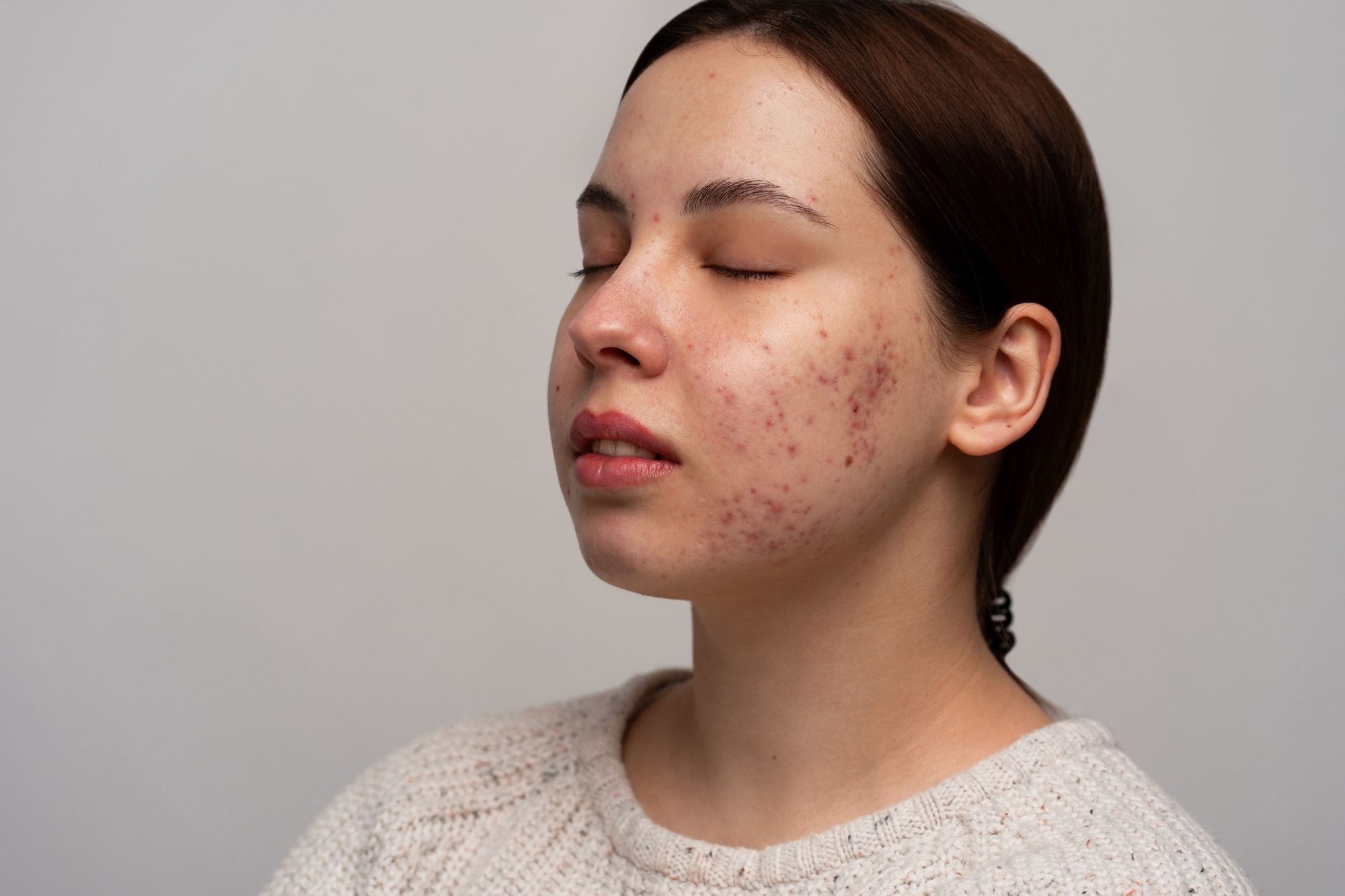
Acne is one of the most common skin issues worldwide, affecting people of all ages. While factors like diet, stress, and skincare habits can contribute to breakouts, hormonal changes often play a central role in triggering acne. Hormones act as chemical messengers in the body, regulating numerous functions, including oil production in the skin. When these hormone levels fluctuate, the skin’s oil glands can become overactive, leading to clogged pores, inflammation, and the formation of pimples.
Hormonal acne often appears in specific areas, such as the jawline, chin, and lower face, and tends to be cyclical, intensifying during certain life stages. Teenagers experience surges in androgens during puberty, while women may notice flare-ups during menstrual cycles, pregnancy, or menopause. Conditions like polycystic ovary syndrome (PCOS) can also make acne persistent and more challenging to treat.
Understanding how hormones influence acne is key to managing it effectively. Professional care, lifestyle adjustments, and targeted treatments can help reduce breakouts and maintain healthy skin, preventing long-term scarring and improving overall confidence.
Understanding Hormonal Acne
Hormones are chemical messengers that regulate numerous bodily functions, including growth, metabolism, and reproduction. When hormonal levels fluctuate, especially during puberty, menstrual cycles, pregnancy, or menopause, the skin can react in various ways, including increased sebum production. Sebum, the oily substance produced by sebaceous glands, is essential for skin hydration, but excessive sebum can clog pores, creating an ideal environment for acne-causing bacteria.
Hormonal acne typically appears in specific patterns, often concentrated on the lower face, jawline, and chin. Unlike acne caused by external factors like dirt or skincare products, hormonal acne is more persistent and cyclical, often coinciding with hormonal peaks and dips.
Hormonal Changes During Puberty
Puberty is the stage where hormonal activity is at its peak, particularly with the surge of androgens such as testosterone. These hormones stimulate sebaceous glands, leading to oily skin and clogged pores. Teenage boys and girls alike experience acne breakouts during this period, though the severity may vary.
During puberty, it is common for individuals to seek Acne and Pimples Treatment in Coimbatore to manage persistent or severe cases. Early intervention can prevent long-term scarring and improve self-esteem, as acne can have significant psychological effects on teenagers.
Menstrual Cycle and Acne Flare-Ups
Women often notice an increase in breakouts just before their menstrual period. This is primarily due to fluctuations in estrogen and progesterone levels. In the luteal phase of the menstrual cycle, progesterone rises, stimulating sebum production and inflammation in the skin, leading to acne flare-ups. Estrogen, on the other hand, helps balance sebum production, so a decrease in estrogen levels can exacerbate acne.
Tracking menstrual cycles can help predict acne outbreaks, allowing for timely interventions with topical treatments, lifestyle adjustments, or consultation with a dermatologist.

Pregnancy and Hormonal Impact on Skin
Pregnancy brings a dramatic shift in hormone levels, with increased estrogen and progesterone. For some women, this hormonal surge can improve skin clarity, while for others, it may trigger acne flare-ups. Additionally, stress and changes in diet during pregnancy can further contribute to breakouts. Managing acne during pregnancy requires careful consideration, as many conventional treatments may not be safe for both the mother and the baby.
Polycystic Ovary Syndrome (PCOS) and Acne
Polycystic Ovary Syndrome (PCOS) is a hormonal disorder affecting women of reproductive age, characterized by elevated androgen levels. These excess androgens increase sebum production, leading to persistent acne, often resistant to standard treatments. Along with acne, women with PCOS may experience irregular periods, unwanted hair growth, and weight gain.
Early diagnosis and medical management are crucial for controlling PCOS-related acne. Dermatologists often collaborate with endocrinologists to provide a holistic treatment plan, which may include hormonal therapy, topical treatments, and lifestyle interventions.
Stress and Hormonal Acne
Stress is a powerful factor that can significantly influence hormonal balance and skin health. When the body experiences stress, it triggers the release of cortisol, often referred to as the “stress hormone.” Elevated cortisol levels can indirectly affect other hormones, including androgens, which play a key role in sebum production. Excess sebum, combined with clogged pores, creates an ideal environment for acne-causing bacteria, leading to more frequent and severe breakouts.
Chronic stress does not just impact hormone levels—it also affects sleep patterns, dietary choices, and overall skin condition. Poor sleep can disrupt the body’s natural repair processes, while stress-related cravings for sugary or processed foods can worsen inflammation and hormonal imbalances. Over time, this combination can create a cycle where stress leads to breakouts, which in turn increases emotional stress, further aggravating acne.
Menopause and Aging Skin
As women approach menopause, estrogen levels decline significantly. Reduced estrogen affects collagen production, skin elasticity, and moisture, while androgen levels may remain relatively stable, causing a shift in hormonal balance. This imbalance can lead to acne in areas such as the chin, jawline, and neck. Additionally, aging skin becomes more sensitive, making acne treatment more challenging.
Dermatologists often recommend tailored skincare routines and hormone-based therapies to manage acne in menopausal women, taking into account the overall skin health and underlying conditions.
Dietary and Lifestyle Factors
Hormonal fluctuations interact closely with diet and lifestyle. High-glycemic foods, dairy products, and excessive processed foods can exacerbate acne by affecting insulin and androgen levels. Regular exercise, a balanced diet rich in antioxidants, and adequate hydration can help stabilize hormones and improve skin condition.
Avoiding harsh skincare products and maintaining a consistent skincare routine are also key. Over-cleansing or using strong products can strip the skin of natural oils, prompting increased sebum production and worsening acne.
Medical Treatments for Hormonal Acne
Treating hormonal acne often requires a multifaceted approach. Topical treatments such as retinoids, benzoyl peroxide, and salicylic acid help unclog pores and reduce inflammation. Oral medications, including hormonal therapies like oral contraceptives and anti-androgens, can regulate hormone levels and prevent breakouts.
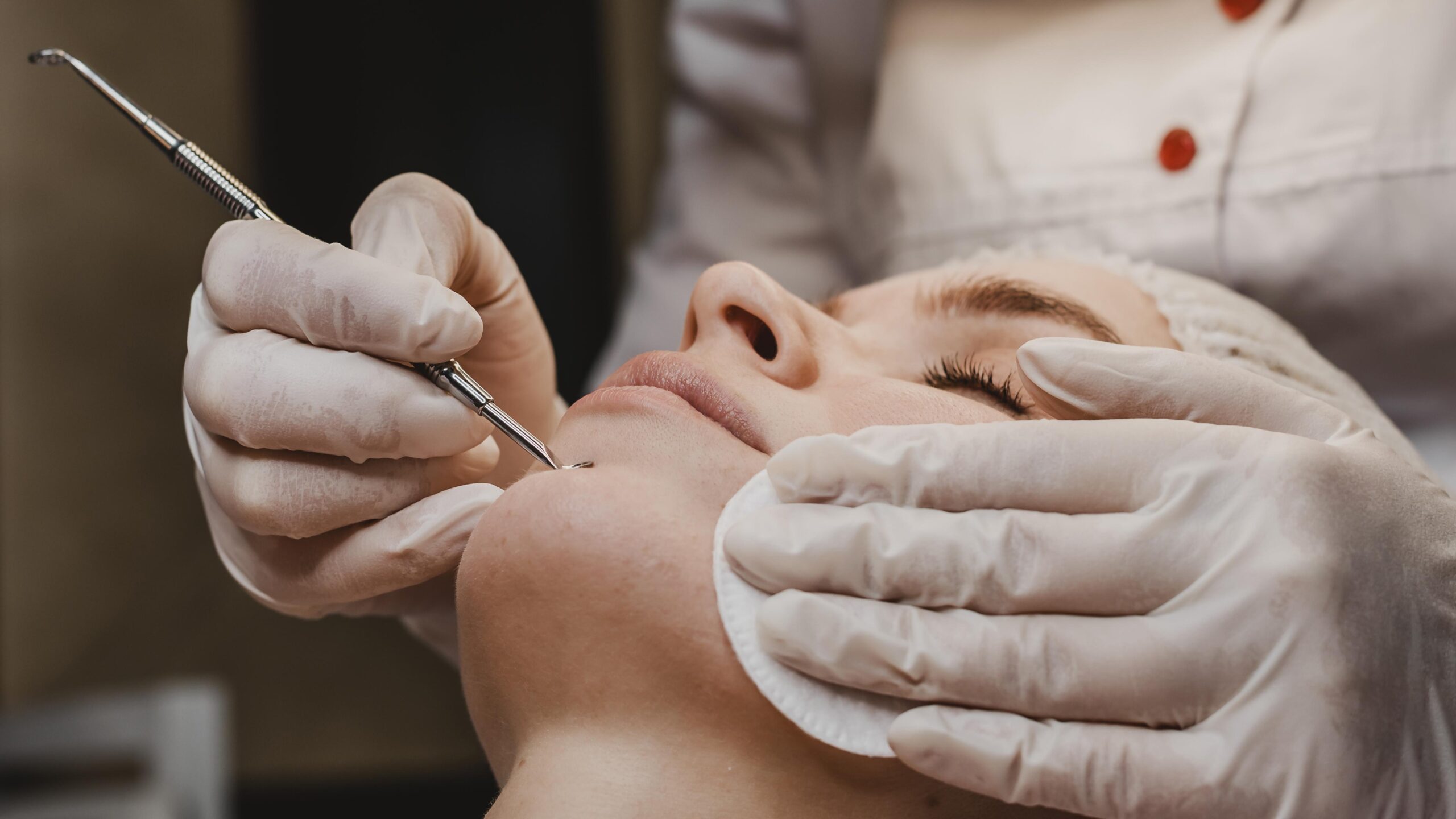
For severe or resistant acne, dermatologists may recommend professional procedures like chemical peels, laser therapy, or light-based treatments to reduce inflammation and prevent scarring. Consulting with a certified clinic ensures that treatments are safe and effective.
If you are struggling with persistent acne, seeking guidance from Touch Aesthetic Clinic can provide personalized treatment plans, combining medical expertise with advanced skincare techniques. Professional care ensures that hormonal imbalances are addressed alongside skin treatments for optimal results.
Preventive Measures and Lifestyle Adjustments
Preventing hormonal acne involves both skincare and lifestyle strategies. Key steps include:
- Maintaining a gentle skincare routine: Use mild cleansers, non-comedogenic moisturizers, and sun protection.
- Healthy diet: Incorporate fruits, vegetables, and foods rich in omega-3 fatty acids while limiting sugary and processed foods.
- Regular exercise: Physical activity helps regulate hormones and reduce stress.
- Adequate sleep: Sleep deprivation can increase cortisol and worsen acne.
- Tracking hormonal cycles: Awareness of menstrual and hormonal patterns can help preempt flare-ups with timely interventions.
While lifestyle adjustments can significantly reduce acne severity, professional guidance is often necessary for persistent cases.
Conclusion
Hormonal changes are a major factor in the development and persistence of acne. From puberty to menopause, fluctuations in androgen, estrogen, progesterone, and cortisol levels can influence sebum production, inflammation, and skin cell turnover, leading to breakouts. Understanding these hormonal dynamics allows for targeted prevention and treatment strategies.
By combining healthy lifestyle choices with professional care, including guidance from Touch Aesthetic, individuals can manage hormonal acne effectively, improving both skin health and self-confidence. Whether through topical treatments, hormonal therapy, or advanced dermatological procedures, addressing hormonal imbalances is key to long-term acne control.