
Why Skin Lightening Treatments Are Not Just About Fairness
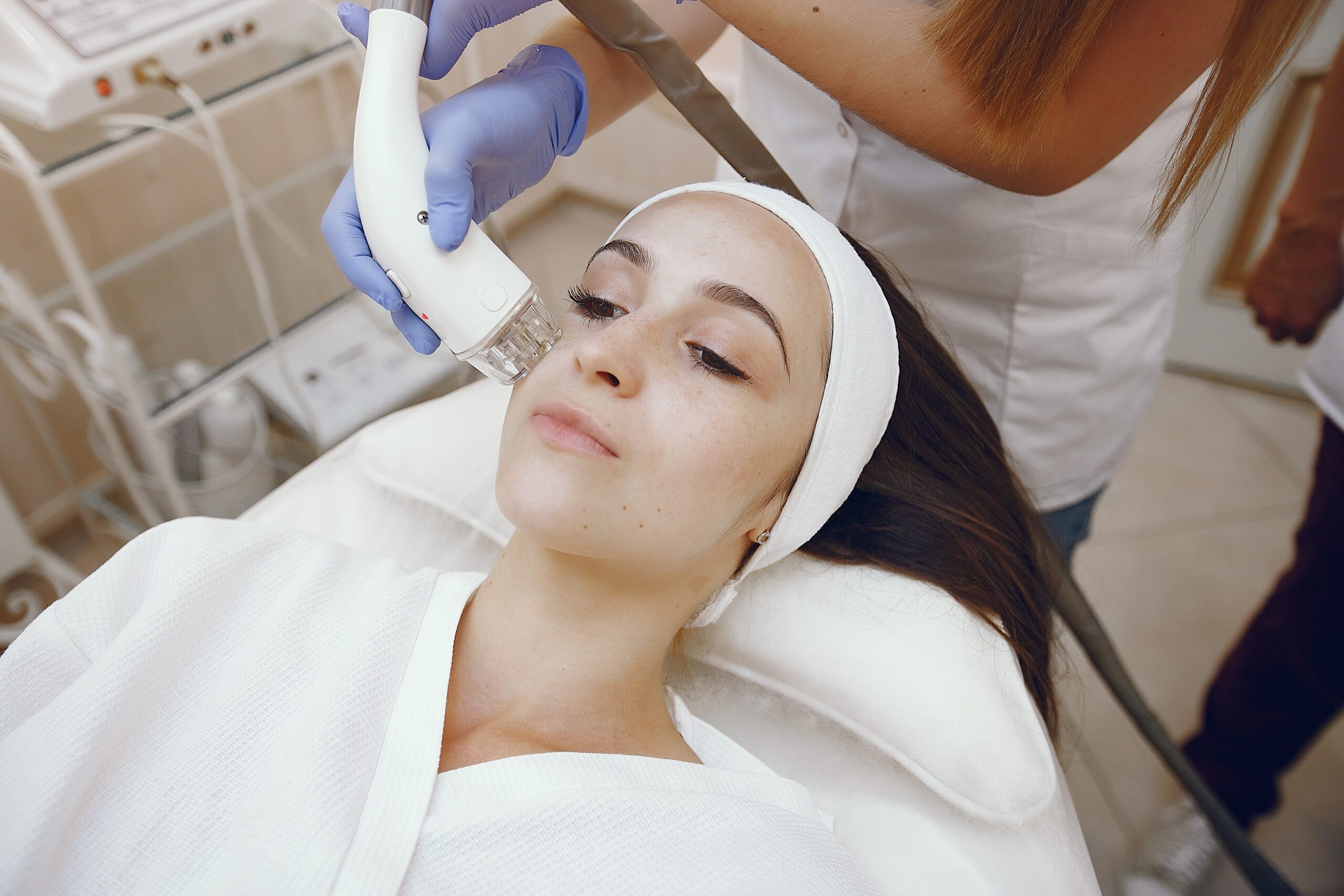
In today’s society, skin lightening treatments are often misunderstood. Many assume these procedures exist only to achieve a lighter complexion and conform to societal beauty ideals. In reality, their purpose goes far beyond fairness. When carried out responsibly, skin lightening treatments focus on improving overall skin health, addressing pigmentation problems such as dark spots, melasma, or sun damage, and boosting self-confidence. Rather than altering one’s natural skin tone, these treatments aim to create a more even complexion, restore skin radiance, and enhance personal well-being. By emphasizing safety, professionalism, and long-term results, individuals can benefit from these procedures as a form of self-care and skin rejuvenation, not merely as a pursuit of lighter skin.
Understanding the Real Purpose of Skin Lightening Treatments
Skin lightening treatments are medical and cosmetic procedures designed to improve skin tone and texture. These treatments are commonly sought for conditions such as hyperpigmentation, melasma, sun damage, acne scars, and age spots. While the media often portrays these treatments as a quick fix for achieving a fairer complexion, their primary objective is to address uneven pigmentation and other skin concerns.
For instance, individuals struggling with melasma often experience dark patches on their face due to hormonal changes or sun exposure. Here, a Skin Lightening Treatment in Coimbatore can help balance the skin tone, reduce discoloration, and rejuvenate the skin without necessarily altering the individual’s natural complexion. The goal is clear: healthier, more even-toned skin.
The Psychological Impact of Skin Concerns
Beyond the physical aspect, skin imperfections can significantly impact one’s self-esteem. Dark spots, pigmentation, or uneven skin tone can make individuals feel self-conscious, affecting both personal and professional interactions. Addressing these concerns through targeted treatments often boosts confidence, allowing people to feel more comfortable in their own skin.
It’s essential to recognize that skin lightening treatments are not a reflection of a desire to conform to biased beauty standards. Instead, they are about empowering individuals to feel confident and present themselves the way they wish. Dermatologists emphasize that such treatments should focus on health and wellness rather than appearance alone.
Common Misconceptions About Skin Lightening
One of the biggest myths surrounding skin lightening treatments is that they are inherently harmful or promote “colorism.” While it’s true that misuse of certain products can be dangerous, professional treatments conducted under medical supervision are safe and highly effective. Treatments range from chemical peels and laser therapies to topical solutions, each tailored to specific skin types and concerns.
Another misconception is that these treatments can drastically alter a person’s natural skin tone. In reality, most treatments are designed to correct discoloration, fade spots, and even out the complexion. The purpose is to enhance the natural radiance of the skin, not to turn it unnaturally lighter.

The Health Benefits of Skin Lightening Treatments
Many people overlook the health-related benefits of skin lightening treatments. For instance, individuals with post-inflammatory hyperpigmentation often develop dark patches following acne or injury. These patches can be difficult to manage with home remedies alone. Professional treatments not only accelerate the fading of these marks but also improve the skin’s overall texture and resilience.
Additionally, certain treatments help in reducing melanin overproduction caused by sun damage. This preventive aspect can decrease the risk of long-term skin damage, which sometimes leads to more severe dermatological issues.
Safe Practices and Professional Guidance
The key to achieving optimal results from skin lightening treatments lies in professional guidance. Consulting qualified dermatologists ensures that the right treatment is selected for an individual’s skin type and concern. Over-the-counter products, while popular, may contain harmful ingredients like mercury or high-concentration steroids that can cause long-term damage.
Professional clinics conduct thorough assessments before prescribing any procedure. They consider factors such as skin type, underlying medical conditions, and the specific pigmentation problem. Treatments are then customized to achieve visible results safely and effectively.
Holistic Approach to Skin Health
A comprehensive approach to skin lightening goes beyond just treatments. Dermatologists recommend maintaining a healthy lifestyle, including a balanced diet rich in antioxidants, proper hydration, and consistent sun protection. Sunscreens, for instance, play a crucial role in preventing further pigmentation and ensuring that the effects of treatments last longer.
Furthermore, stress management and adequate sleep contribute significantly to overall skin health. While procedures like chemical peels, laser therapy, or topical formulations provide external support, internal wellness is equally important to achieve a naturally glowing complexion.
Modern Techniques in Skin Lightening
Recent advancements in dermatology have introduced a variety of techniques that focus on skin rejuvenation and pigmentation correction. Non-invasive methods like laser therapy, microdermabrasion, and LED light treatments are increasingly preferred due to their minimal side effects and precise targeting of affected areas.
These technologies allow practitioners to address concerns such as dark spots, melasma, and uneven skin tone without altering the skin’s natural pigment. By employing modern, science-backed techniques, patients receive results that are both aesthetically pleasing and safe.
Cultural Perspectives and Changing Mindsets
It is important to acknowledge the cultural context surrounding skin lightening. Historically, lighter skin has often been unfairly equated with beauty or social advantage, perpetuating harmful stereotypes. However, the conversation is gradually shifting. Today, skin lightening treatments are being reframed as tools for dermatological health and confidence enhancement rather than instruments of conformity.
People increasingly recognize that the desire for even-toned skin is about self-care and wellness. Clinics now emphasize educating patients on the realistic outcomes of treatments and the importance of embracing their natural skin tone alongside any enhancements.
The Role of Professional Clinics
Choosing the right clinic is vital to ensuring safe and effective results. Reputable establishments prioritize patient education, ethical practices, and the use of clinically tested products and procedures. A trusted clinic will focus on treating the underlying cause of pigmentation rather than providing temporary cosmetic solutions.
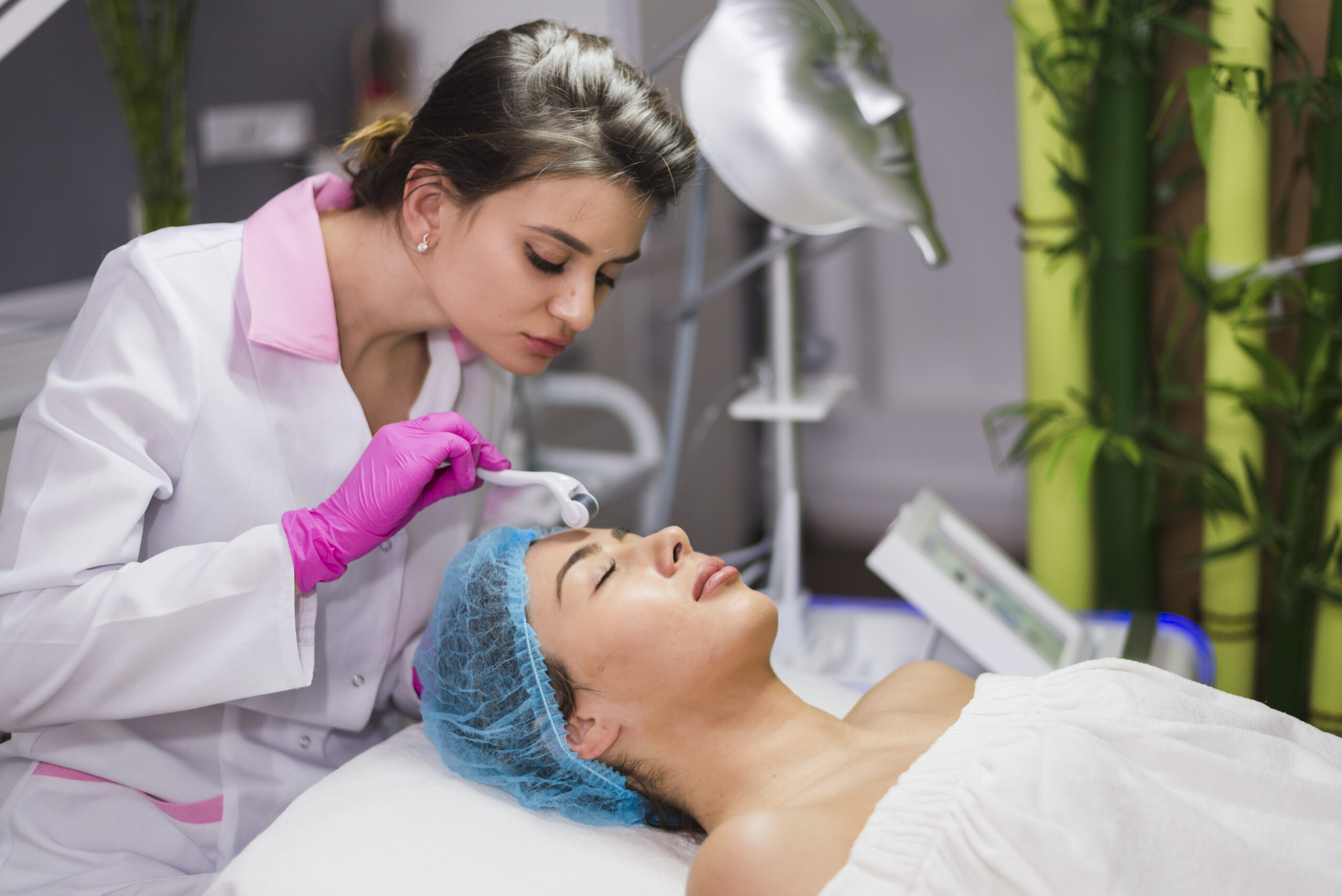
For example, at Touch Aesthetic Clinic, the emphasis is on personalized care and holistic skin health. Treatments are tailored to individual needs, ensuring that patients achieve noticeable improvements without compromising safety or natural skin integrity. By combining medical expertise with modern technology, clinics like these redefine what skin lightening treatments truly mean.
Achieving Confidence Through Skin Care
Ultimately, the goal of skin lightening treatments is empowerment. People pursue these procedures to regain confidence lost due to pigmentation issues, scars, or uneven skin tone. The experience goes beyond mere appearance—patients often report feeling more self-assured and comfortable in their daily interactions.
By prioritizing health, safety, and realistic outcomes, professional treatments provide results that enhance natural beauty rather than changing it. This distinction is crucial in understanding that skin lightening is not about fairness; it’s about nurturing healthy, radiant skin.
Conclusion: Beyond Fairness
Skin lightening treatments are far more than a pursuit of fairness. They are about correcting pigmentation, protecting skin health, and fostering confidence. With professional guidance, modern techniques, and a holistic approach, these treatments can provide lasting benefits that improve both appearance and well-being.
When chosen thoughtfully and administered responsibly, skin lightening becomes a tool for self-care rather than a reflection of societal pressures. Clinics like Touch Aesthetic exemplify this approach, emphasizing safe practices, patient education, and long-term results that enhance natural beauty. By shifting the narrative, we can appreciate skin lightening treatments as a means to support skin health and personal confidence, not merely as a method to achieve a lighter complexion.